
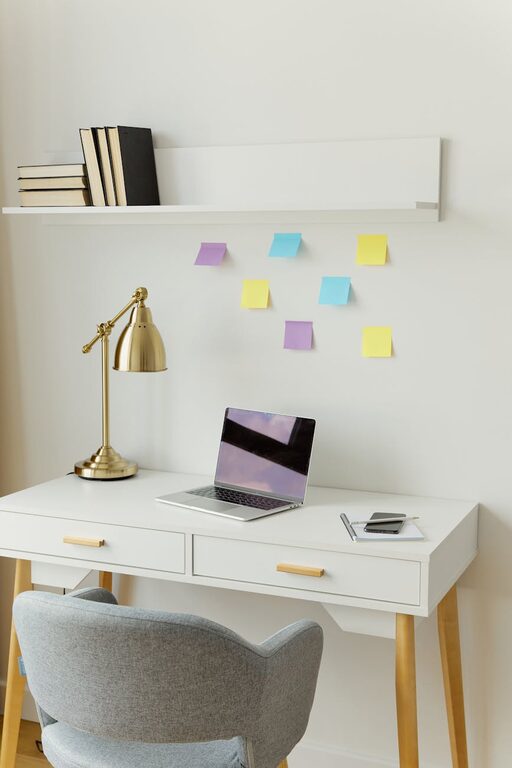
Creating a cozy and functional home workspace is essential for anyone who works or studies from home. A well-designed workspace can boost your productivity, improve your mood, and help you maintain a healthy work-life balance. Whether you have a small corner or a whole room available, these tips will help you craft an environment tailored to your needs.
1. Choose the Right Location
Finding the right spot in your home is the first step to setting up a great workspace.
– Natural Light: Aim for a space that receives plenty of natural light. A desk near a window can increase focus and reduce eye strain.
– Quiet Area: Select a quiet corner, away from household traffic and distractions.
– Space Availability: Make sure the space fits your desk, chair, and equipment comfortably.
2. Invest in Comfortable Furniture
Comfort is key when you spend long hours at your desk.
– Ergonomic Chair: Choose a chair that supports your back and encourages good posture.
– Appropriate Desk: Pick a desk that fits your work style. If you prefer to stand sometimes, consider a height-adjustable desk.
– Footrest and Accessories: Small additions like footrests or wrist supports can make a big difference.
3. Organize Your Workspace Efficiently
An organized space helps maintain focus and saves time.
– Declutter Regularly: Keep only essential items on your desk.
– Storage Solutions: Use shelves, drawers, or filing cabinets to store documents and supplies.
– Cable Management: Use clips or cable organizers to keep wires neat and out of the way.
4. Personalize for Comfort and Inspiration
Adding personal touches can make your workspace inviting.
– Plants: Indoor plants add freshness and can improve air quality.
– Artwork or Photos: Display images that inspire or bring you joy.
– Comfort Items: Soft cushions, a cozy throw, or a warm lamp can enhance comfort.
5. Optimize Lighting
Proper lighting reduces eye strain and creates a welcoming atmosphere.
– Task Lighting: Use desk lamps to focus light on work areas.
– Ambient Lighting: Include soft overhead lights or floor lamps to balance the room.
– Adjustability: Lamps with adjustable brightness or direction are ideal.
6. Add Technology That Supports Your Needs
Technology should simplify your work, not complicate it.
– Reliable Internet: Ensure your workspace has a strong Wi-Fi signal or wired connection.
– Necessary Devices: Choose monitors, keyboards, or other equipment that enhance your comfort and productivity.
– Noise-Canceling Headphones: Great for maintaining concentration in noisy environments.
7. Maintain a Routine and Keep It Clean
Maintaining your space keeps it practical and pleasant.
– Daily Tidying: Spend a few minutes tidying your desk at the end of each day.
– Regular Cleaning: Dust and clean surfaces weekly to create a healthy space.
– Workspace Boundaries: Keep work materials in the designated area to separate work from leisure.
8. Use Color and Texture Wisely
The colors and textures of your workspace can affect your mood.
– Calming Colors: Blues, greens, and neutrals promote focus and calm.
– Accent Colors: Use brighter tones sparingly to add energy.
– Varied Textures: Mix textures like wood, fabric, and metal to add depth and warmth.
—
By following these tips, you can create a home workspace that is not only functional but also cozy and inviting. This balance can help you stay productive and feel comfortable throughout your workday. Remember, your workspace should reflect your personal needs and preferences, so take the time to make it your own.